
How 3D Depth Improves Immersion in VR Videos
Learn how 3D depth enhances immersion in VR videos, improves comfort, realism, and creates a stronger sense of presence for viewers.

One of the key reasons VR videos feel different from traditional flat content is depth perception. While standard videos display images on a flat screen, VR introduces a sense of space that allows viewers to feel closer to the environment around them.
This sense of depthâoften referred to as 3D depthâplays a crucial role in immersion. When done correctly, it makes VR videos feel natural, realistic, and engaging rather than artificial or uncomfortable.
What Is 3D Depth in VR?
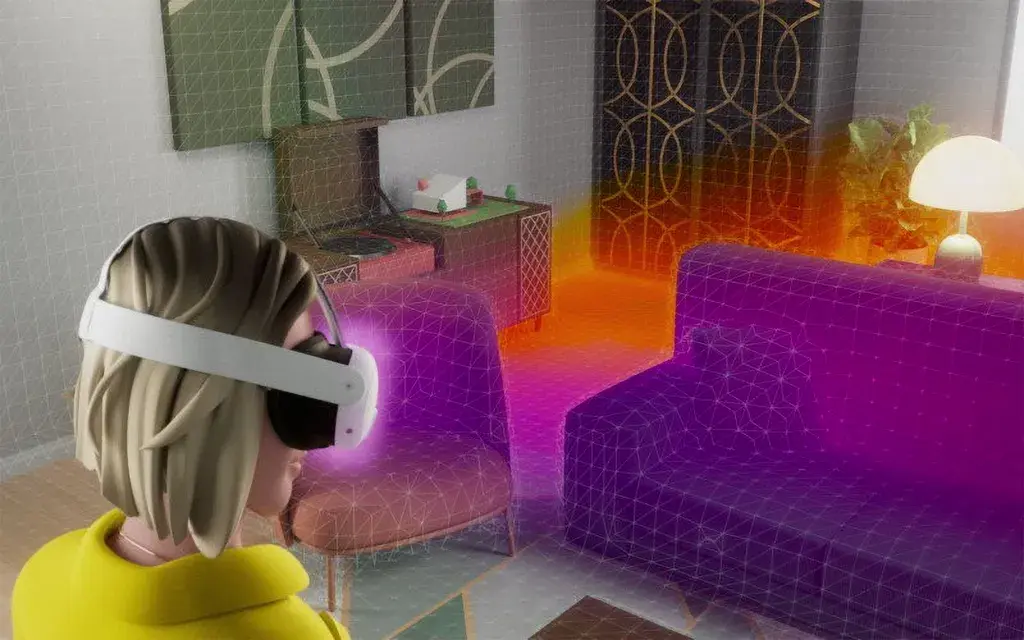
3D depth in VR refers to how accurately a video represents distance between objects, the viewer, and the surrounding environment. It allows the brain to interpret what is near, what is far, and how elements relate to one another spatially.
This effect is created through:
-
Stereoscopic filming (separate images for each eye)
-
Proper camera spacing
-
Accurate scaling of objects
-
Consistent perspective during movement
When these elements work together, the viewer perceives a convincing three-dimensional space.
Why Depth Perception Matters for Immersion
Immersion depends on how believable a virtual environment feels. Depth perception helps the brain accept the virtual space as real.
Without proper depth:
-
Scenes feel flat or artificial
-
Objects appear to âfloatâ unnaturally
-
Distance becomes hard to judge
-
The sense of presence breaks quickly
With good 3D depth, the viewer feels positioned inside the scene rather than watching it from the outside.
How 3D Depth Enhances Presence in VR
Presence is the feeling of âbeing there.â 3D depth supports this by aligning visual cues with how humans naturally perceive the world.
Effective depth cues include:
-
Natural spacing between foreground and background
-
Smooth transitions when objects move closer or farther away
-
Consistent proportions that match real-world scale
When these cues are accurate, the brain spends less effort interpreting the scene and more time engaging with the experience.
Common Depth Issues That Reduce VR Quality
Not all VR videos handle depth well. Some common problems include:
-
Incorrect camera distance: Objects appear too close or unnaturally large
-
Flattened stereo effect: Minimal separation between left and right eye views
-
Depth distortion: Edges or backgrounds appear warped
-
Inconsistent scaling: Objects change size unnaturally during movement
These issues can reduce comfort and make the experience feel less immersive.
3D Depth vs Resolution: Which Has More Impact?
High resolution improves clarity, but depth affects realism. A sharp image without proper depth still feels flat in VR.
In many cases:
-
Moderate resolution + strong depth = better immersion
-
Very high resolution + weak depth = less convincing experience
This is why many viewers prefer well-balanced VR videos that prioritize depth accuracy over raw pixel count.
The Role of Camera Placement in Depth Quality
Camera placement directly influences how depth is perceived. In VR, the camera often represents the viewerâs eyes, so its position must feel natural.
Proper camera placement:
-
Maintains realistic eye-level perspective
-
Preserves natural distances
-
Prevents visual discomfort
When the camera is positioned correctly, depth feels intuitive and effortless.
How 3D Depth Improves Comfort and Viewing Time
Good depth perception reduces eye strain and visual confusion. When the brain easily understands spatial relationships, the viewer can stay immersed longer.
Benefits include:
-
Reduced visual fatigue
-
Improved comfort during longer sessions
-
Smoother transitions between movements
-
A more relaxed viewing experience
This makes depth quality especially important for extended VR content.
Final Thoughts
3D depth is one of the most important elements of immersive VR video. While resolution and frame rate contribute to visual quality, depth determines how real the experience feels.
When depth is handled well, VR videos become more engaging, comfortable, and believable. As VR production techniques continue to improve, accurate depth will remain a core factor in delivering high-quality immersive experiences.
Understanding how depth works helps viewers recognize better VR content and allows creators to focus on what truly enhances immersion.

Jessica is an experienced content writer specializing in adult entertainment industry trends, VR technology reviews, and performer interviews. With over 5 years of experience, she brings insightful analysis and engaging storytelling to every article.